
Understanding the psychology behind gambling behavior in casinos
The Thrill of Uncertainty
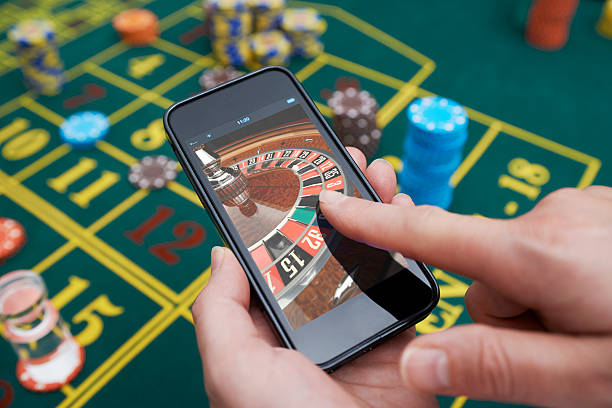
The psychology behind gambling behavior is deeply rooted in the thrill of uncertainty. When players enter a casino, they are not just seeking monetary gain; they are also drawn to the excitement that comes with the unpredictable nature of games. This uncertainty activates the brain’s reward system, releasing dopamine and creating feelings of pleasure that can be intensely addictive. As players place their bets, they may also be looking for an online casino interac bonus which can heighten their emotional state, making them feel alive and engaged in a way that few other experiences can replicate.
The Role of Social Interaction
Casinos are designed to encourage social interaction, which significantly influences gambling behavior. The environment is often bustling with people, creating a sense of community and shared experience. Gamblers may find themselves engaging with others, sharing stories, and celebrating wins together, which enhances their enjoyment of the activity. This social aspect can lead to longer play sessions as individuals are drawn into the collective excitement, which may reinforce their gambling behavior.
Moreover, social interactions can create a phenomenon known as “peer influence.” When individuals see others winning or having fun, they may feel a stronger urge to participate themselves. This is particularly true in games like poker, where players can gauge each other’s reactions and strategies, further heightening their engagement and emotional investment in the game.
The Impact of Environment and Design
The physical environment of a casino plays a crucial role in shaping gambling behavior. Casinos are meticulously designed to create an atmosphere that encourages prolonged gambling. Bright lights, engaging sounds, and a lack of clocks or windows are all intentional elements that contribute to a sense of timelessness. This design strategy can lead players to lose track of time and money, resulting in increased gambling activity.
Additionally, the layout of casinos often promotes a cycle of behavior where players feel compelled to move from one machine or table to another, creating a sense of momentum. This can lead to impulsive decisions and an escalation of wagers, as the excitement of the environment fuels their gambling instincts. The sensory overload, combined with the potential for quick rewards, makes it easy for players to get caught up in the moment.
The Psychological Traps of Gamblers
Many gamblers fall into psychological traps that can distort their decision-making. One common phenomenon is the “gambler’s fallacy,” where individuals believe that past outcomes will influence future results. For example, a player who has lost several rounds may feel that they are “due” for a win, prompting them to gamble more. This misperception can lead to significant financial losses and reinforce problematic gambling behavior.
Additionally, cognitive biases such as confirmation bias can play a role in how gamblers interpret their experiences. Players may focus on instances of winning while ignoring their losses, which can create an unrealistic perception of their success rate. This selective memory can further entrench their gambling behavior, making it difficult for them to recognize the risks and consequences involved.

Informed Choices for Responsible Gambling
Understanding the psychology behind gambling behavior is essential for promoting responsible gambling practices. Resources and support systems can help individuals recognize the signs of problematic gambling and encourage them to make informed decisions. By fostering awareness of the psychological factors at play, players can learn to enjoy gambling as a form of entertainment rather than a source of stress or financial burden.
Websites focused on responsible gambling provide valuable information and tools to help individuals manage their gambling habits. They offer insights into the psychological dynamics of gambling, encouraging players to set limits and recognize when it is time to step away. By utilizing such resources, players can enhance their gaming experiences while maintaining control over their behaviors in casinos.
